For fashion designers
See the design before you sample it.
Tarzi turns a sketch, a reference photo or a sentence into a finished fashion image, then shows the same garment on a model, in a six-frame photoshoot and in a short film. You judge the idea in minutes, keep every original, and commit fabric only to what works.


What you get
From sketch to finished image
Upload your sketch and describe fabric, colour and detail. The silhouette and proportions you drew stay in the result; what you did not specify is filled in plausibly, and you can change it.
Colourways and details without redrawing
Draw a box or brush over the neckline, the sleeve or the hem, say what you want, and get a new version. The original stays untouched in your gallery, so a variation never costs you the first idea.
On a model, in a shoot, in motion
Put the design on a model, with or without a photo of your own model, turn it into a photoshoot of six frames with the same model and garment, and finish with a five- or ten-second film with sound.
How it works
Start from what you have
A pencil sketch, a flat, a mood photo or a plain sentence such as “emerald silk column gown with a draped open back”. References can be combined: a sketch for the cut, a photo for the fabric.
Describe and generate
Write what matters — fabric, colour, length, mood — in English or Arabic and pick the picture ratio you need. The image usually arrives within a minute or two.
Refine one area at a time
Mark the part to change and describe the change. Each edit is a new image; nothing is overwritten.
Present it
Show it on a model, shoot six frames, or make a short film with sound. Download the originals and send them to your client or your team.
Examples from the studio
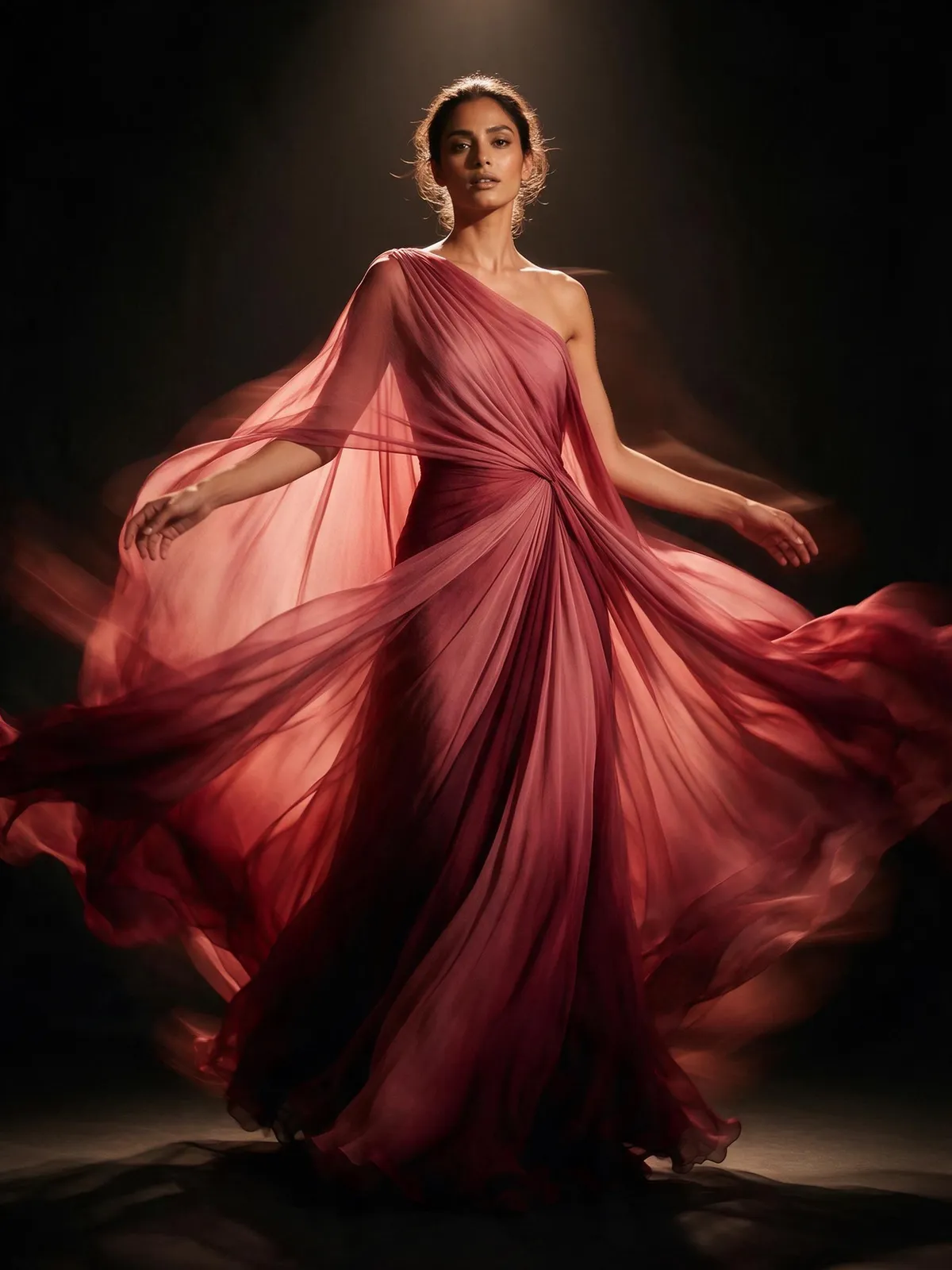
A gown generated from a written description alone 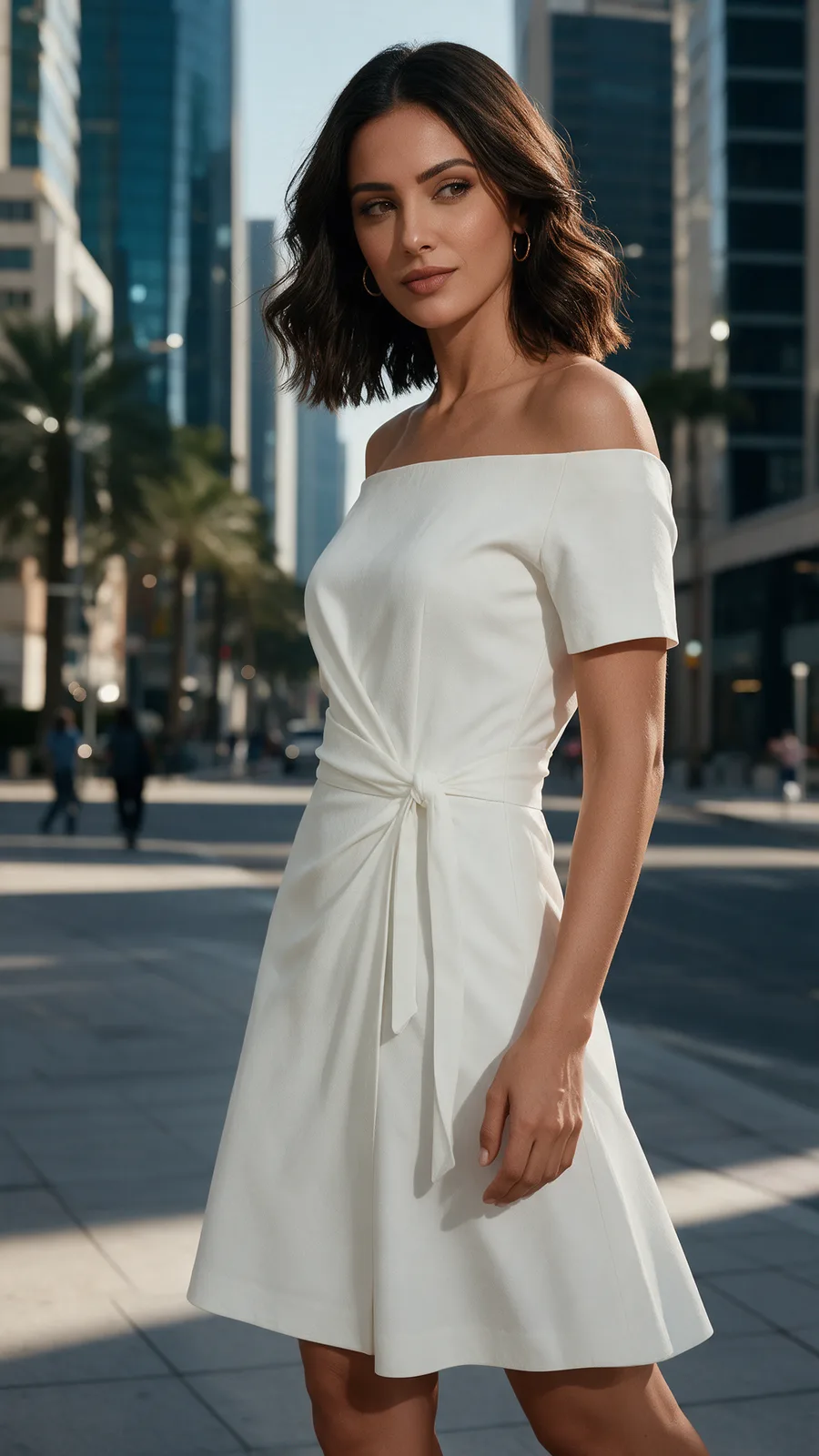
One frame of a six-frame photoshoot 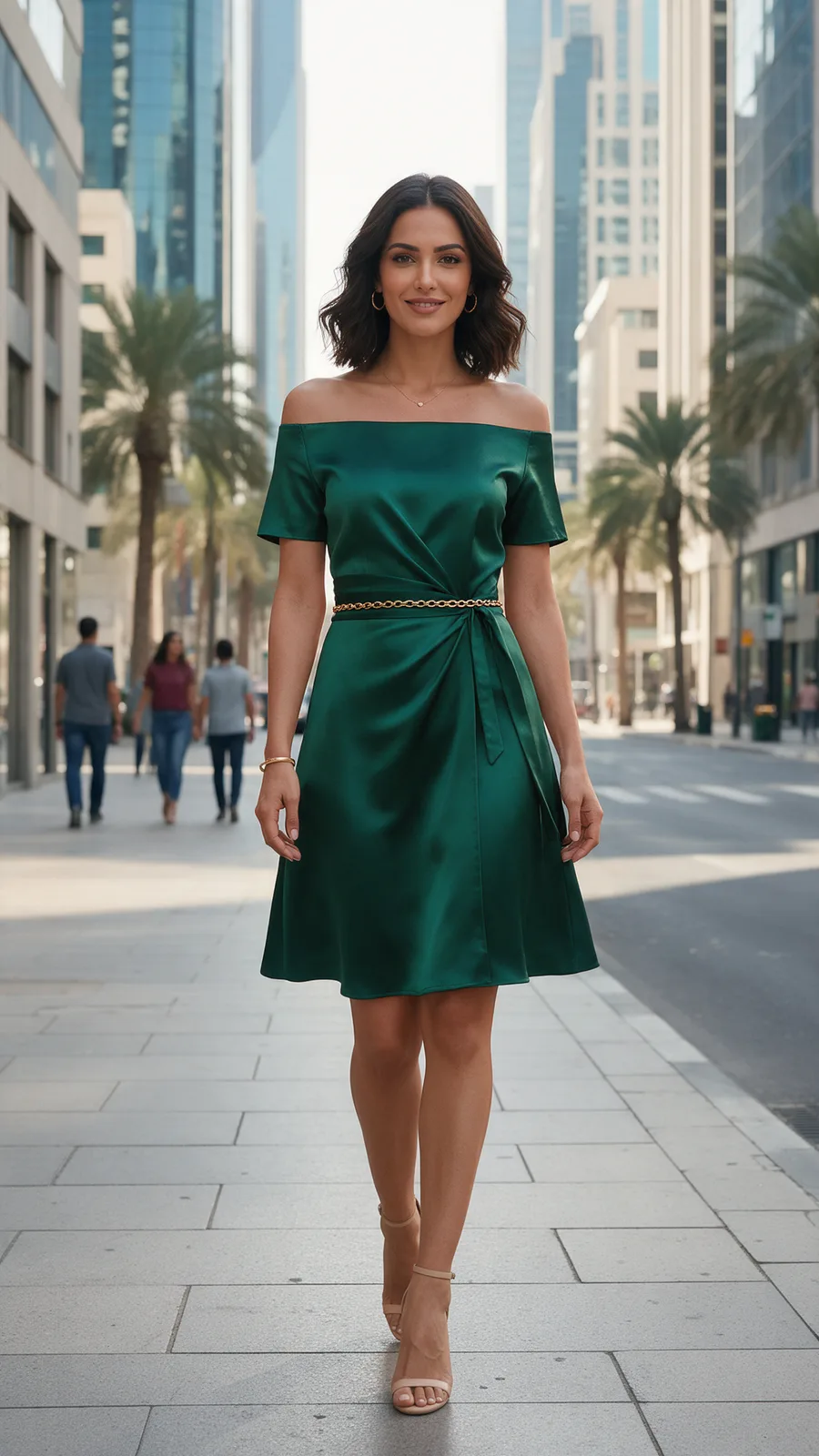
An area edit: the rest of the image is untouched


Every picture on this page is Tarzi output made for the showcase, not customer work. Your own results depend on your references and your description.
What to expect
Tarzi uses generative AI. The results are illustrations of an idea: they help you decide early, they do not replace pattern-making, fittings or a real photographer.
Each run is different. If a result misses, tighten the description, add a reference, or edit only the part that needs changing. A generation that fails returns its credits by itself.
Your work stays yours. Designs are private to your account, never used as examples, and you can download or delete them at any time.
Questions people ask
- Does Tarzi keep the proportions of my sketch?
- The sketch sets the cut. In our tests the silhouette and the lines of the design were kept in every run; hip drape and skirt volume were the details that most often differed, and an area edit corrects them without regenerating the whole image.
- Can I use the images commercially — in a lookbook, a shop or a pitch?
- Yes. What you generate from your own prompts and references belongs to you, including commercial use, as the Terms of Service set out. In return you confirm that the references you upload are yours to use.
- Do I need a subscription?
- No. Credits are bought once, in packs, and spent per image, photoshoot or film. They stay in your account for as long as it remains active.
- What files do I get?
- The original files exactly as generated: PNG for images and MP4 for films. The gallery shows lighter previews so it loads quickly, but every download and every edit starts from the original.
Related pages
Try it on a design of your own
Open the studio, start from a sentence, a sketch or a photo, and judge the result on your own work. Credits are bought once and spent per piece; nothing renews.